
A UI/UX Design Agency
That Challenges Bad Ideas
and Ships Better Products.

WANDR embeds into your product team to design digital experiences that feel intuitive, reduce friction, and support real business outcomes. We've designed products used by millions of users worldwide across SaaS, enterprise, and high-growth startups.

"Their UX/UI leader is talented and fast; our team likes WANDR."
Executive · Tracer Labs
"They have a lot of experience in strategically and systematically doing design work."
Samuel Lim · CEO, Grepp Inc.
"We were impressed with their ability to problem-solve and to conform to extremely tight timelines."
Grant Mordecai · CCO, Valkyrie Intelligence
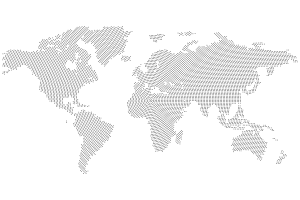
LA - Silicon Valley - Austin - Miami - Mexico City
A UI/UX Design Agency
With Senior Designers and No "That's Out of Scope" Energy.

Ten years. 500+ products shipped. We've seen what works, what fails, and exactly where most agencies get it wrong and we've built our entire process around never making those mistakes twice.

We've worked across SaaS, fintech, enterprise software, healthcare technology, nonprofits, and federal government bringing the same research-first, outcome-driven approach to every product we touch.

We don't just make things look better. We make them work better. For the users relying on them and the business metrics depending on them.

Dotted world map showing Wandr locations
Proven impact
UI/UX work that
moves the needle.

Two case studies that illustrate what embedded UX with research, strategy and execution looks like when it ships.

No-Code Game Creation Platform

Buildbox

41%more users reached their first success milestone after the desktop app was reimagined.

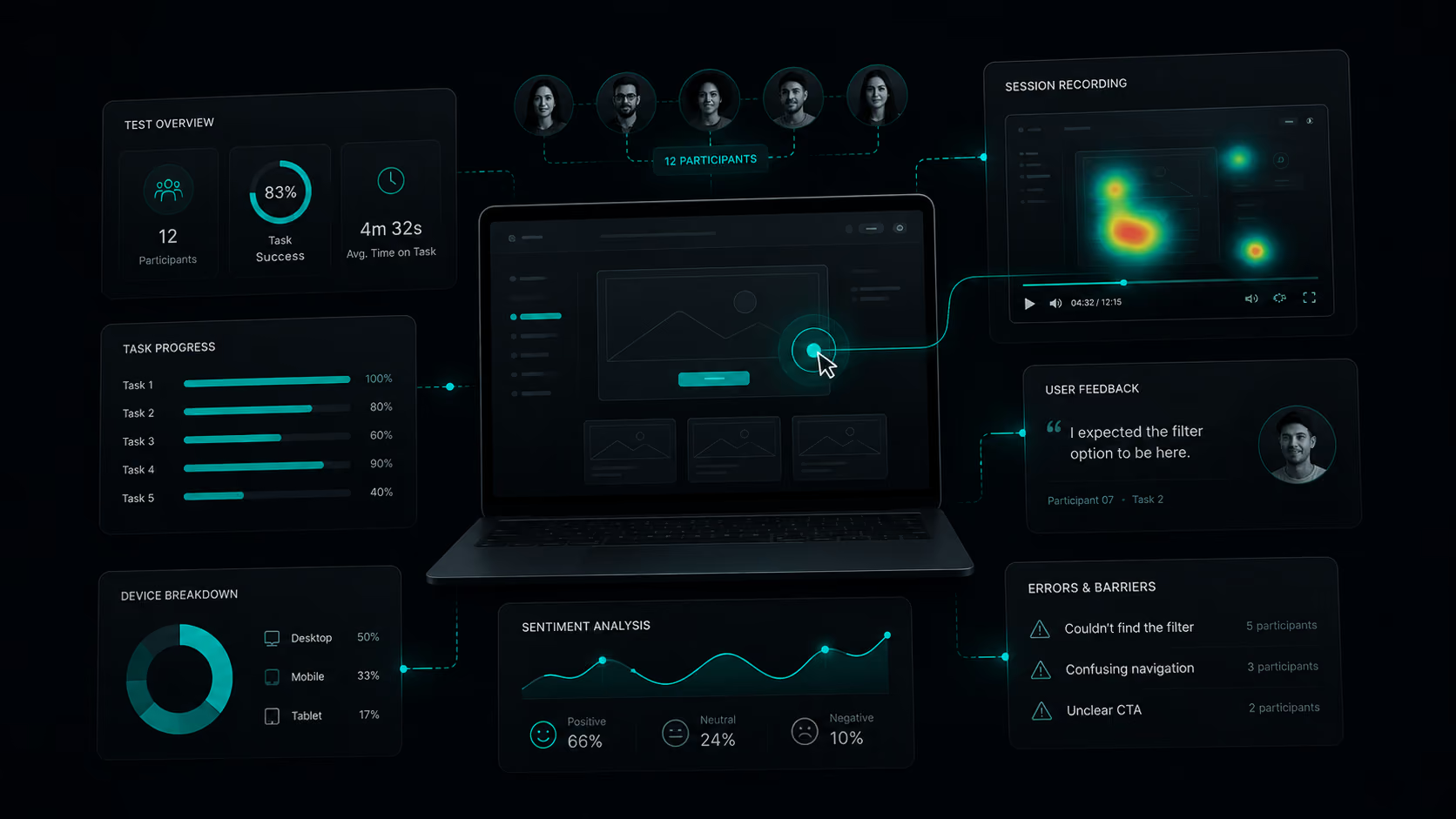
Buildbox had a no-code platform used by millions, but new users abandoned it before finishing a first game, and any fix risked disrupting the creators who already knew the tool. No design operations. No validated user journeys. Wandr's UX audit combined heuristic evaluation, funnel analytics, heatmaps, and session replays to pinpoint exactly where new users dropped off, so onboarding could be rebuilt without rewriting what legacy users already relied on.

"I really like their hands-on approach because it made them feel more like a partner. It was huge that they were flexible, too. That made for amazing customer service."Douglas Mason - SVP of Design - Buildbox
See full case study
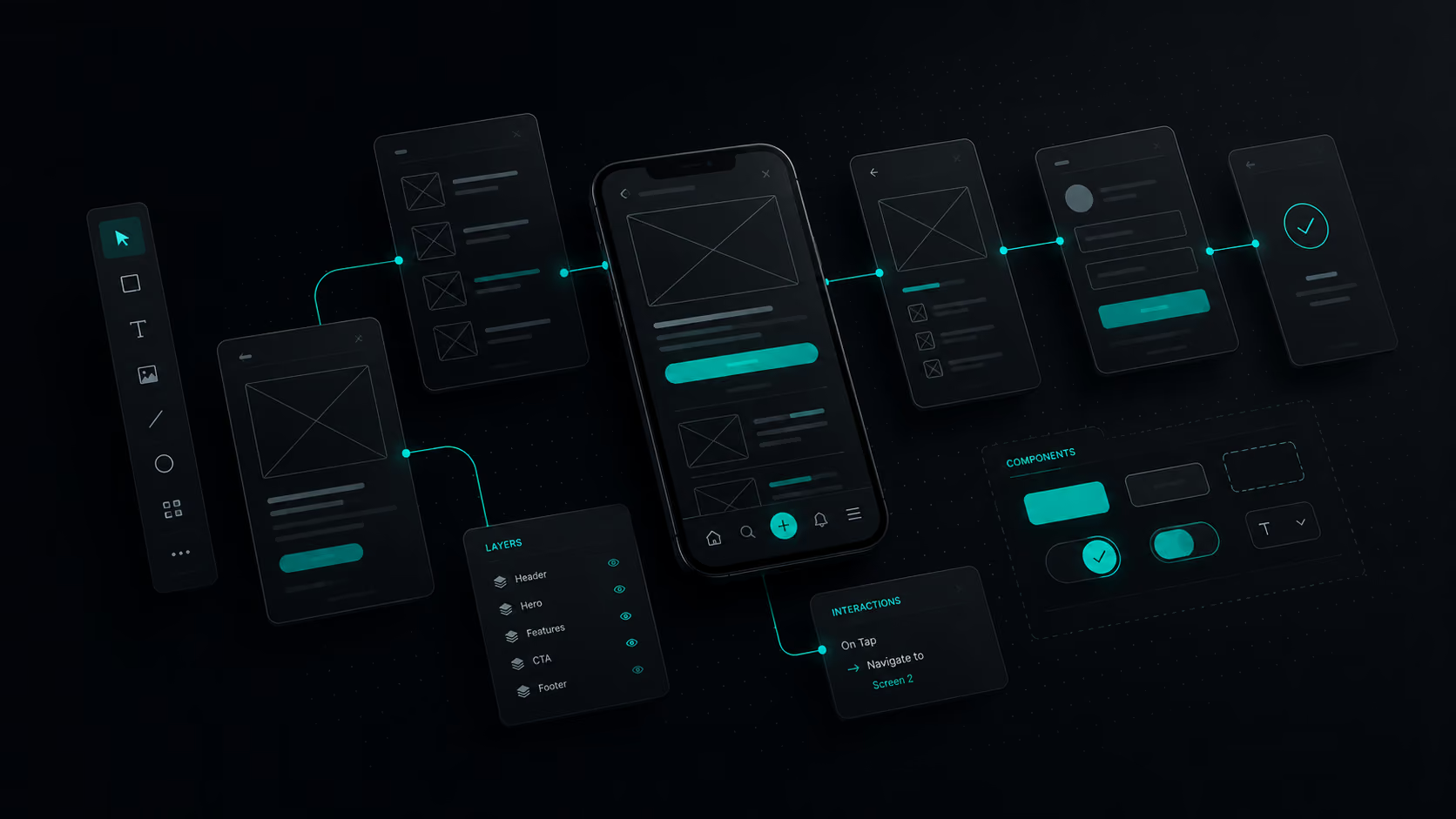
No-Code Game Creation PlatformNo-Code Game Creation Platform
B2B SaaS • Ecommerce Management Software

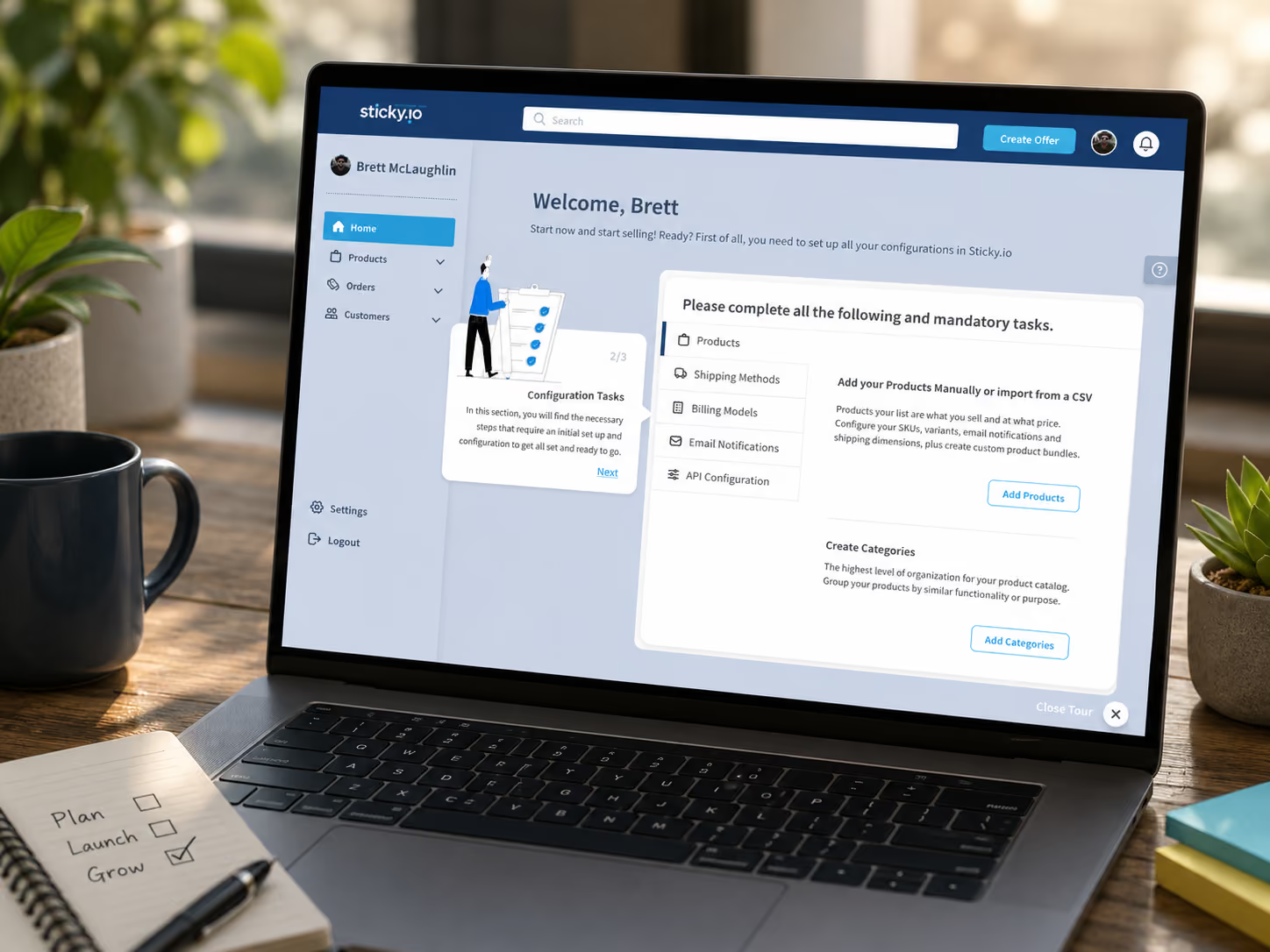
Sticky.io

95%satisfaction score achieved for redesign of the prototype when presented to legacy users.

Sticky.io had a complex platform serving two very different buyer types. And with no UX/UI on staff, their product decisions made entirely on assumptions. Zero user personas. Zero validated flows. In 3-months Wandr established a structured design operations, building a design system from scratch, creating validated user personas, and redesigned the merchant and admin interfaces.

"While their skills were valuable, it was ultimately their client management and interaction that impressed us."Brett McLaughlin, CTO, Sticky.io
See full case study
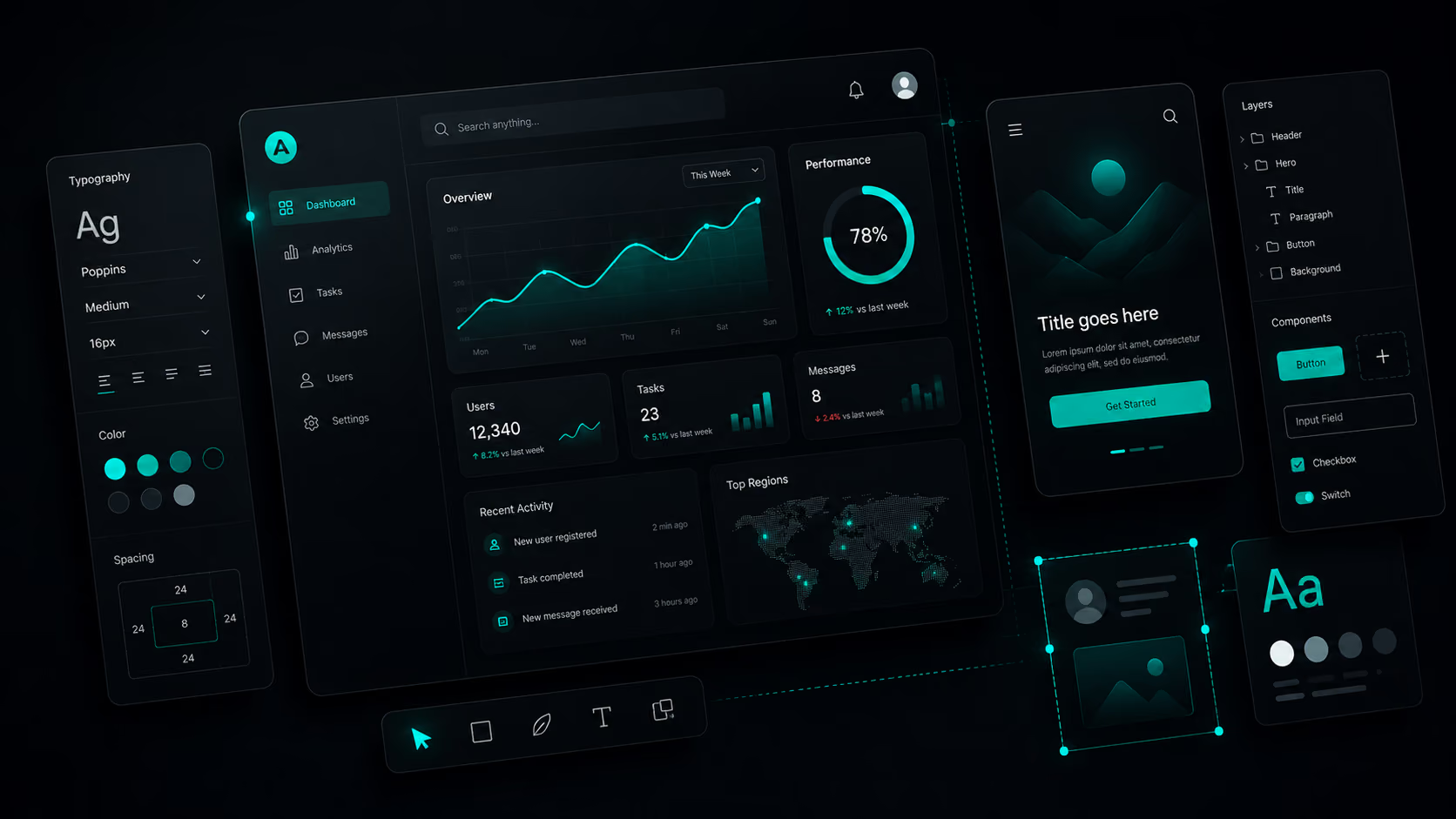
Sticky.io · B2B SaasSticky.io · B2B Saas
Case 01 / 02
Drag / scroll
By the numbers

Ten years of UI/UX design, quantified.

500+
products designed and delivered
Millions
of users worldwide impacted
03Activation
38%
avg improvement in user activation.
04Drop-off
32%

avg reduction in user drop-off.

05CASE STUDY
41%

more users reached first success milestone (Buildbox)

06Case study
93%

reduction in cancellation rate after A/B testing (Synchrony).

See case study
Trusted by
WWFMFAMFAMFAMFAMFAMFAMFAMFAMFAMFAMFAMFAMFAMFAWWFMFAMFAMFAMFAMFAMFAMFAMFAMFAMFAMFAMFAMFAMFA
The reality

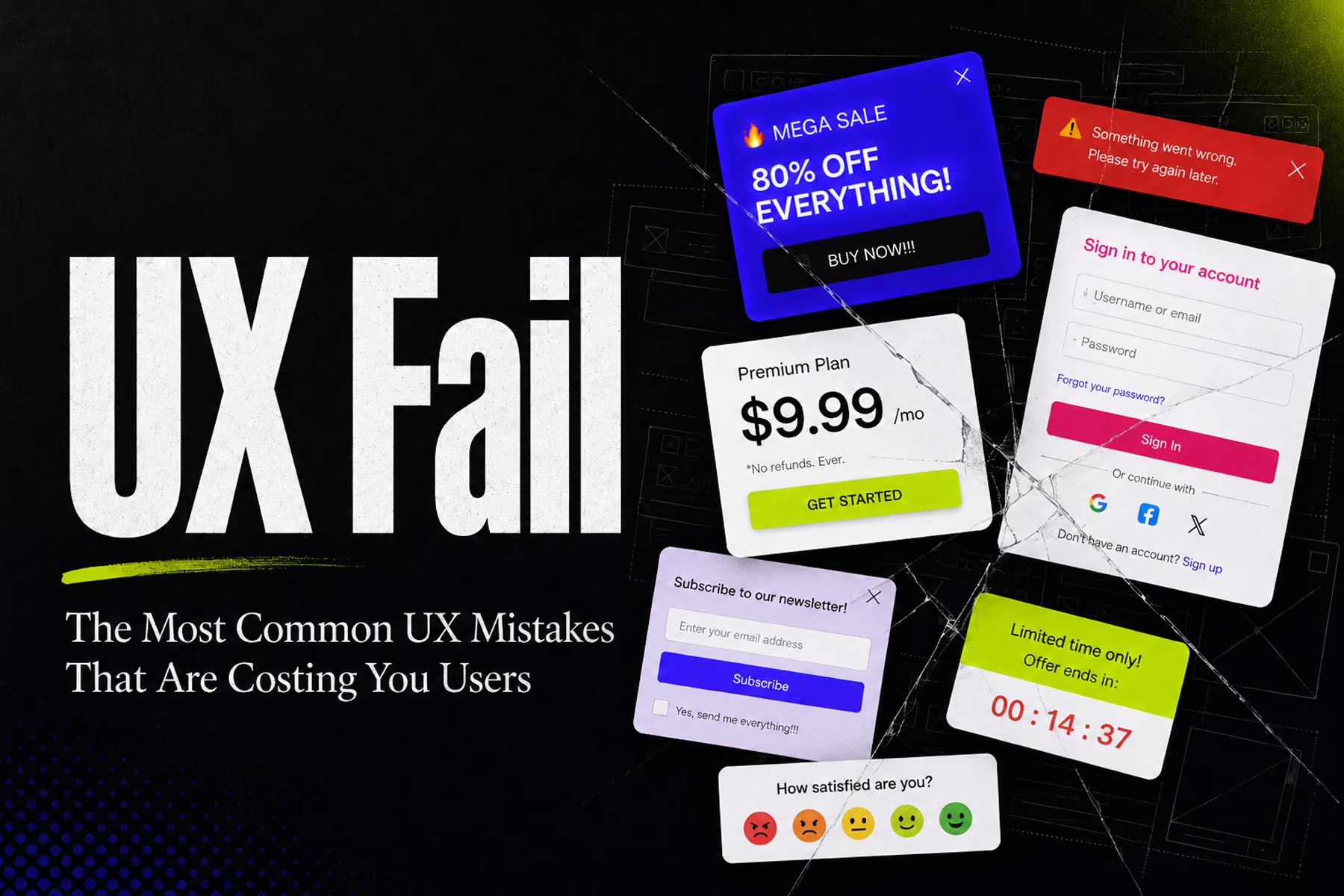
Most digital products fail
not because of bad tech

but because of bad UX.

01 / 04
70%
of digital products fail due to poor user experience — not poor technology.
Forrester Research
01 / 04
5×
more expensive to fix UX problems after launch than to design them correctly upfront.
IBM Systems Sciences Institute
01 / 04
$100
returned for every $1 invested in UX — an ROI of 9,900%.
Forrester Total Economic Impact
01 / 04
2×
Design-led companies outperform industry benchmarks by 2:1 over a five-year period.
McKinsey Design Index
Data first. Design second.

We get inside the heads of your users before we touch a single screen. Then we design with intention, validate with evidence, and ship with confidence.

5 phases →
Phase 01Discover
01

Discovery & Alignment.

We align with your stakeholders on business goals, users, success metrics, and technical constraints. Design decisions are grounded in real-world context from day one. Not assumptions about what users want.

Phase 02Plan
02

Research & Insights.

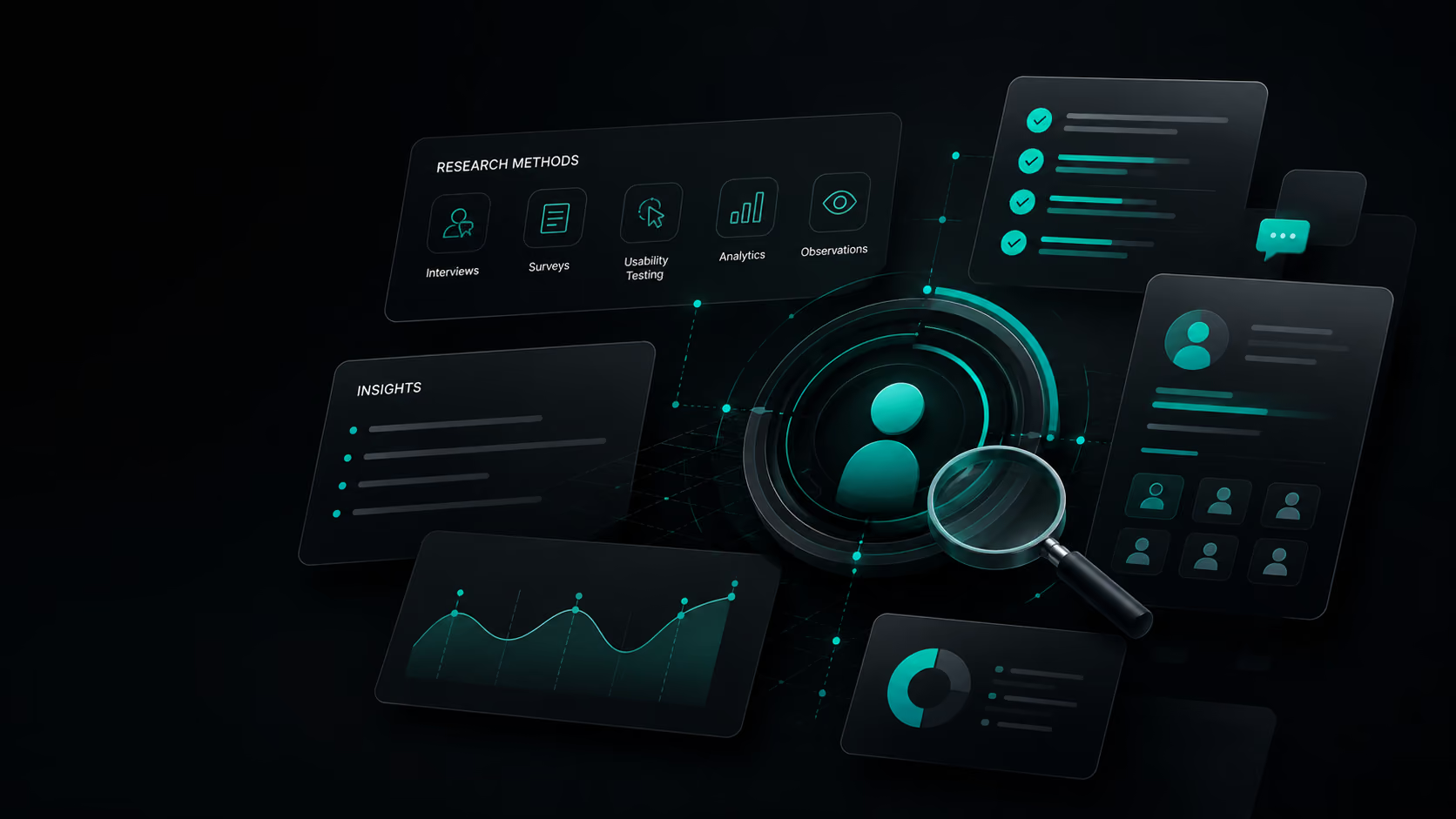
We gather and synthesize user research, competitive insights, and existing behavioral data alongside your team. We don't design in isolation. We design from evidence.

Phase 03Design
03

Design & Prototyping.

We work iteratively inside your workflows (creating flows, wireframes, and prototypes with frequent feedback loops). Design decisions are made collaboratively, not revealed at the end.

Phase 04Deliver
04

Testing & Validation.

We validate designs with real users and stakeholders to uncover friction, test assumptions, and refine solutions before development begins. No surprises at handoff.

Phase 05Measure
05

Ongoing Iteration.

Design doesn't stop at launch. We continue working alongside your team to analyze behavior, identify friction, and optimize the experience as your product evolves.

Phase 01 of 05
→ Continue scrolling
Deliverables

What you get with WANDR's
UI/UX design services

End-to-end UX and UI design for SaaS, enterprise, and digital products tailored to your product maturity, audience, and business goals.

Wireframing and prototyping preview
01 / 06UX Research

UX Research & Insights

User interviews · Research reports · Opportunity maps

Wireframing and prototyping preview
02 / 06UX Strategy

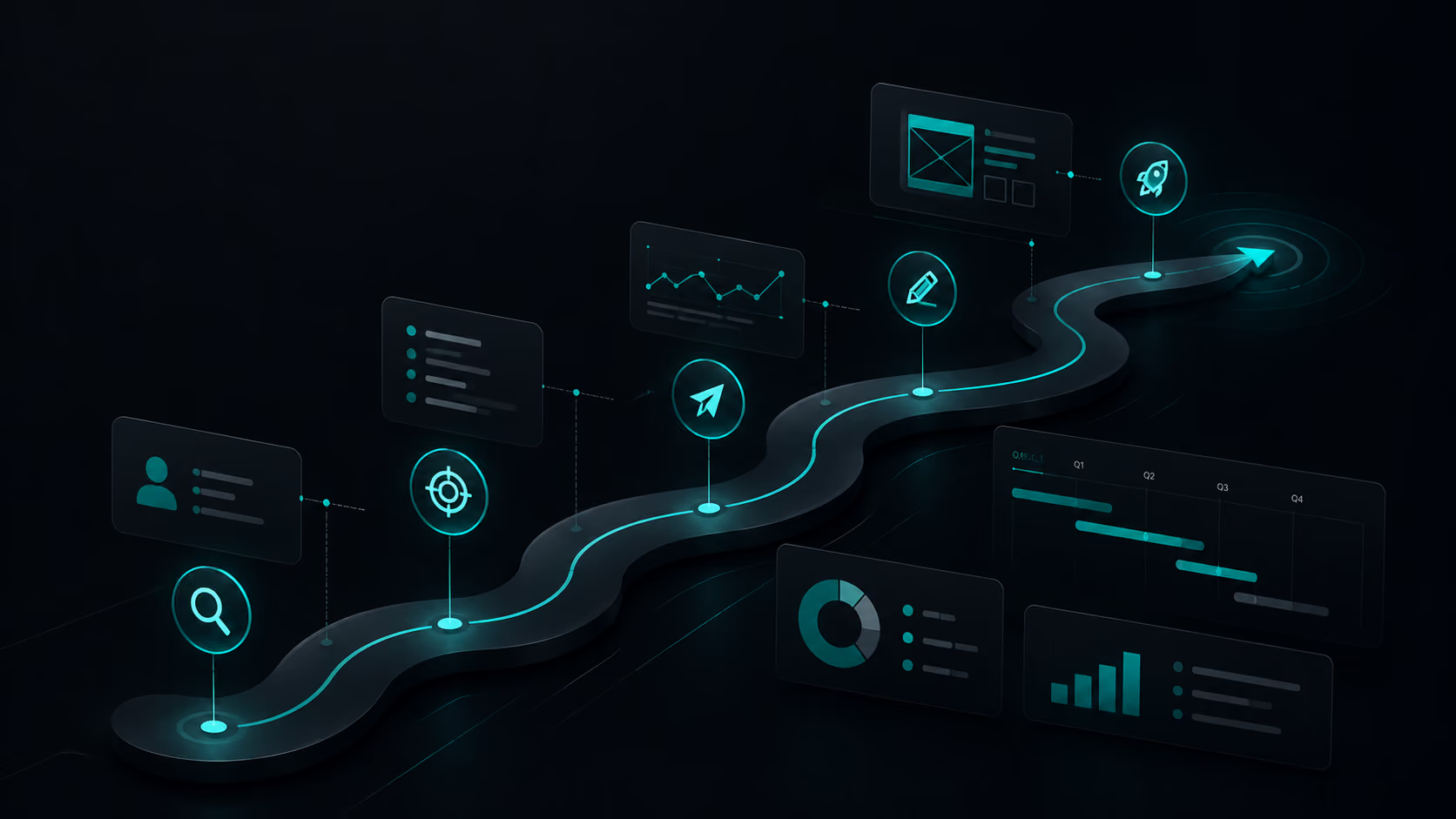
UX Strategy & Roadmapping

Journey maps · User flows · Product guidance frameworks

Wireframing and prototyping preview
03 / 06Wireframing

Wireframing & Prototyping

Information architecture · Wireframes · Interactive prototypes

Wireframing and prototyping preview
04 / 06UI Design

UI Design & Design Systems

High-fidelity screens · Component libraries · Design systems

Wireframing and prototyping preview
05 / 06Usability Testing

Usability & Testing Validation

Structured testing with real users before development

Wireframing and prototyping preview
06 / 06Post-Launch Support

Post-Launch Support & Iteration

Ongoing optimization based on real user behavior and performance data

Compare

How our UI/UX
Design Agency compares

In-House UI/UX HiringTraditional Agencies
Speed to startSlow hiring cyclesHeavy onboarding processReady within days
ScalabilityHard to scale up or downFixed team, fixed scopeFlexible engagement size
RiskRisky long-term hireNo product ownership post-deliveryEmbedded partner with accountability
PerspectiveToo close to the productDetached, vendor-styleOutside objectivity with inside commitment
Product thinkingExecution-focusedDelivery-focusedStrategy + execution
PushbackUnlikely to challenge leadershipUnlikely to risk the contractWe challenge bad ideas
Research depthLimited research capacityResearch cut to protect timelineResearch behind every decision
What our clients say
Verified Clutch reviews.

Their ability to understand our unique business was very impressive. We have a fairly complex business model and were concerned that they wouldn't be able to understand it enough to create an effective design — but they quickly built an understanding of who we are.

Marc YountPresident & CCO · Field Agent
See full Clutch review

They wanted to see our company succeed and celebrated our wins with us. We could see they were invested in the project — they didn't just want to collect their fee and move on. By the time WANDR finished, they helped us get to 500 downloads on Android.

Joannah SmallFounder · Caraleya
See full Clutch review

We were impressed with their ability to problem-solve and to conform to extremely tight timelines. The Wandr team successfully deployed product and provided support through the run of show during SXSW.

Edward Neira MarinCEO, Boostart Venture Studio
See full Clutch review
Why Wandr?

A UI/UX design agency needs to move metrics

and we guarantee those results.

01 · Seniority

Senior designers from day one.

You work directly with experienced designers and strategists who've seen what works and what fails across hundreds of products. No juniors learning on your dime. No account managers between you and the work.
01
02 · Evidence

Research-driven, not assumption-driven.

We start with your users, not your brief. Every design decision is grounded in observed behavior, validated through testing, and connected to a measurable outcome. We challenge assumptions, including yours, including ours.

02
03 · Guarantee

Performance guarantee.

If your product doesn't show measurable improvement in your primary UX metric within 90 days of launch, we keep working at no additional cost until it does. We agree on the success criteria at kickoff so there's no ambiguity about what we're working toward.
03
The difference

Same product, but with an experience users actually understand.

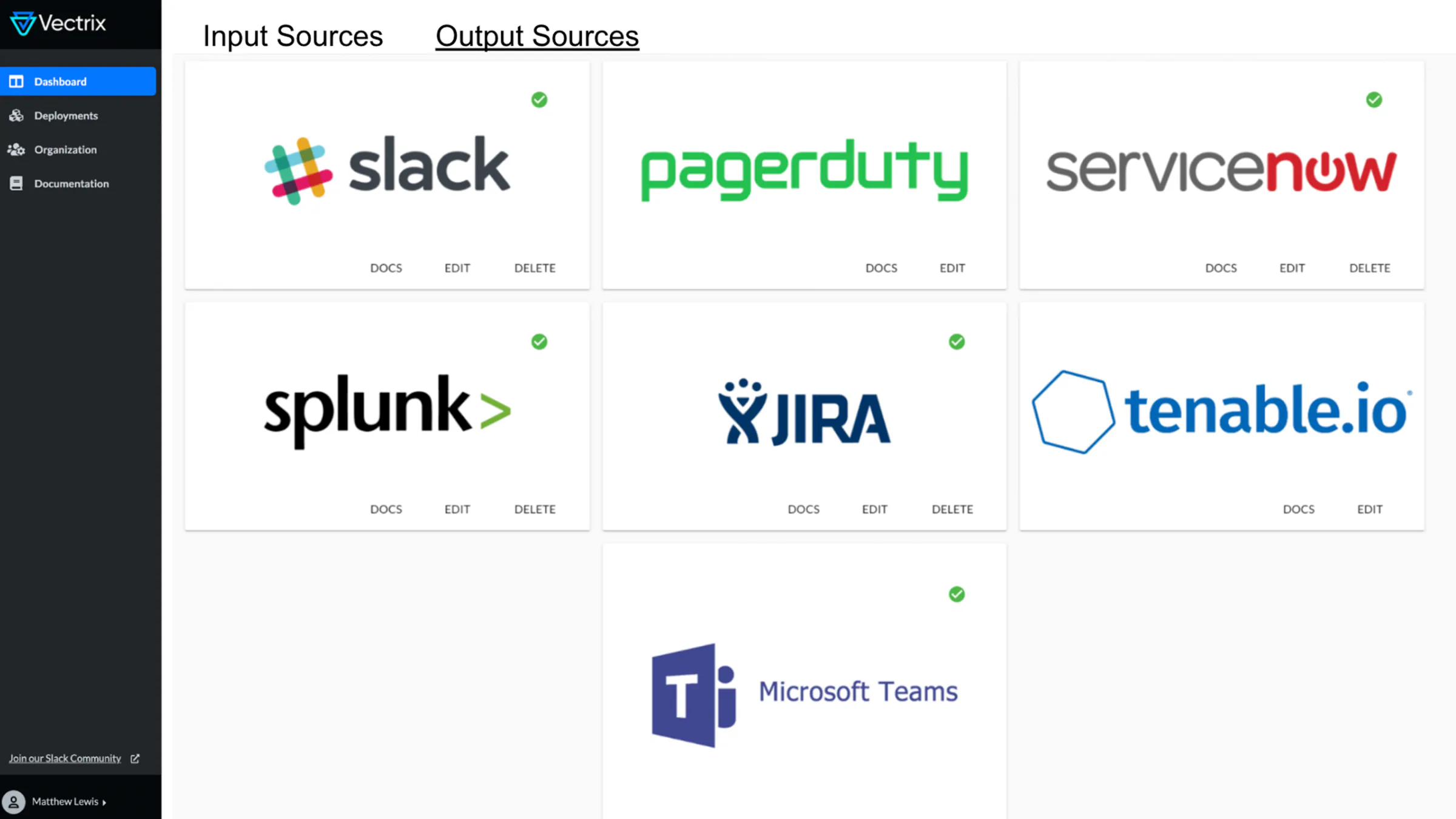
WANDR partnered with Vectrix, a Y-combinator company to redesign a product compelling enough to attract one of the world's leading technology companies. Product strategy, end-to-end UX, and a design system built to ship quickly without sacrificing rigor

BeforeAfter
Before WANDR
  • First-time users struggled with setup, deployment, and system status
  • No defined buyer or category to anchor the roadmap or the pitch
  • Pricing and permissions created hesitation at the moment of commitment
  • One set of flows serving both security engineers and risk analysts
After WANDR
  • 91% task success across the redesigned core flows in usability testing
  • Onboarding cut from 74 minutes to 24, with activation up 76%
  • A new product category defined, plus a target buyer the roadmap could follow
  • Acquired by Cloudflare in February 2022, with the full team joining
Vectrix·CLOUD SECURITY (CASB)·B2B SAAS
Who this is for

You understand that every confusing onboarding flow, every feature users can't find, every drop-off that analytics shows but nobody can explainis a product decision that didn't start with the user. You're ready to change that.

We work with CTOs, Heads of Product, and founders who know their product has more potential than the current experience is delivering. Whether you're dealing with low activation, high churn, a pending redesign, or a new product that needs to ship right the first time… we're the team that starts with your users and designs backward from there.

First step
Not ready to commit? Let us review your product first.

Send us your product. We'll identify the top 3 UX friction points costing you activation and retention. Free, no pitch, no obligation.

Get your free UX review
Sample report
your-product.com/signup

Get started in seconds.

1No value prop above fold
2No password rules shown
3CTA hierarchy unclear
UI/UX Design Agency
Frequently asked.

Click any question to expand. If yours isn't here, write to us.

  1. Cost depends on scope, but the variables are predictable. A UX audit is a fixed, contained engagement. A full product redesign scales with the number of user types, how much research is required, and whether a design system is part of the work. Embedded staff augmentation is priced monthly by team size and duration. A UX audit of one major flow is $500. Most full engagements start at $10,000. Four things move the number more than anything else: How many distinct user types the product serves. Designing for one persona is not the same problem as designing for an admin, an analyst, and an auditor. How much primary research is needed. If you already have solid behavioral data and access to users, we move faster. Whether you need a design system or a set of screens. A system costs more upfront and less over time. Timeline. Compressed schedules require more people working in parallel.
  2. Look for evidence of thinking, not just visual polish. Most agency portfolios show finished screens. Very few show the reasoning that produced them, and the reasoning is what you are actually buying. Five questions worth asking before you sign: Have you worked on a product at my stage, in my space, with my constraints? Consumer app experience does not transfer cleanly to regulated enterprise software. What happens when the designs reach engineering? Ask specifically how they work with your developers. Handoff failures are the most common way agency engagements go wrong. How do you decide what to fix first? If the answer is a severity score rather than business impact, you will get a list instead of a plan. Who is actually doing the work? Senior people in the pitch and juniors on the project is common. Ask who is assigned. What does success look like, and when do we measure it? An agency unwilling to name a metric before starting is unlikely to be measured against one afterward. The strongest signal is an agency willing to tell you when you do not need them, or when a smaller engagement would serve you better.
  3. An in-house designer works within a single product context. They learn your product deeply, which is valuable, but they only ever see one way of solving problems. An agency brings pattern recognition from across hundreds of products, an outside perspective on decisions your team has stopped questioning, and a senior team ready to start immediately. There is also a math question. A senior product designer costs six figures a year plus benefits, takes two to four months to hire, and another month to become useful. If the work is a defined push rather than a permanent function, that is a heavy commitment to make before you know what you need. What you get with Wandr specifically: Senior people from day one. No juniors learning on your product. We challenge assumptions and push back when something does not make sense. That is the part most teams say they want and rarely get. We embed into your existing workflows instead of working in parallel and handing off at the end. You scale up or down as needs change, without long-term headcount. Hire in-house when design is a permanent, always-on function and you can absorb the wait. Hire an agency when you need senior work now, or when the scope is a defined push rather than a standing role.
  4. A freelancer is the right choice for defined, contained work when you already know what needs to be designed. Lower cost, less overhead, and for a set of screens or a single flow it is often the more sensible option. An agency is the right choice when the problem is not fully defined, when the work spans research through delivery, or when you need capacity that does not disappear if one person becomes unavailable. The practical differences: Coverage. A freelancer is one skill set. Most product problems need research, interaction design, visual design, and sometimes front-end. Continuity. If a freelancer takes another contract or gets sick, the work stops. An agency absorbs that. Perspective. A good freelancer knows their craft deeply. An agency has seen the same problem across dozens of products and knows which solutions actually held up. Accountability. With an agency, someone other than the person doing the work is responsible for its quality. If your budget only supports a freelancer, hire a good one and scope tightly. That is a better outcome than an underfunded agency engagement.
  5. Whenever product decisions start to carry real business risk. In practice that means one of these is true: You are building something new and the cost of designing the wrong thing is high. A product that should be working is not, and the metrics have plateaued or declined. You are preparing for a redesign and want evidence before committing engineering time. Users are not adopting a feature that solves a real problem, and nobody can explain why. Your in-house team is good but at capacity, and the backlog is growing faster than they can clear it. The wrong time is when you want screens produced quickly and you already know exactly what you want. That is a production problem, not a design problem, and there are cheaper ways to solve it.
  6. AI has made producing screens fast and cheap. It has not made deciding what to build any easier, and that is where most products fail. What AI does well: generating layouts, producing component variations, and accelerating the mechanical parts of visual design. What it does not do: talk to your users, explain why your activation rate dropped last quarter, tell you which of three plausible directions matches how your customers actually work, or push back when a stakeholder asks for something that will make the product worse. The failure pattern we see most often is a product where the interface was generated quickly and looks fine on any single screen, but every screen was designed in isolation. Patterns drift. The same action behaves differently in three places. The result feels off without anyone being able to say why. That is a systems problem, not a rendering problem, and no amount of prompting fixes it after the fact. If you need screens produced, AI will get you there faster than we will. If you need to know which screens to produce and why, that is still research and judgment.
  7. Design and engineering work in parallel, so there is no moment where finished designs get thrown over a wall. The concern behind this question is real and specific: designs produced in isolation, delivered at the end, and then found to be unbuildable inside your actual stack. We have heard versions of this from teams whose last agency engagement took months to make usable. We work inside your existing workflows from discovery through delivery. Engineering is in the conversation before design decisions are locked, so technical constraints shape the work instead of surfacing during implementation. When a design decision carries real build cost, we flag it and discuss it while it is still cheap to change.
  8. Every meaningful design decision gets tested against real users before development starts. We run structured usability sessions on prototypes, measure against the specific behavior we are trying to change, and revise until the prototype performs. Not "does this look good" feedback. Task completion, time to first success, where people hesitate, where they give up. The reason is economic. A problem found in a prototype costs hours to fix. The same problem found after launch costs weeks of engineering time, plus whatever it cost you in users who churned before you noticed. This is also why we do not do a single reveal at the end. Quality comes from frequent feedback loops and continuous stakeholder alignment, not from a big presentation where everyone sees the work for the first time.
  9. We measure UX by product outcomes, not opinions or aesthetics. That means user behavior metrics like activation, retention, conversion, and task completion. It means reduced friction: fewer drop-offs, fewer errors, fewer support tickets about the same thing. And it means business impact, in adoption and revenue influence. We agree on the success criteria at kickoff, before any design work starts, so there is no ambiguity later about what we were working toward. Then we back it. If your product does not show measurable improvement in the primary metric we agreed on within 90 days of launch, we keep working at no additional cost until it does.
  10. You do. All design files, research findings, prototypes, and documentation belong to you and transfer at the end of the engagement.
Let's look at your product together

Show us.

We'll show you what to fix.

Send us your product and we'll identify the top 3 UX friction points costing you activation and retention. Free, no pitch. If it makes sense to work together, great. If not, you leave with a clear picture of what to fix and where to start.

Ready to go further?

Our blog
UI/UX design related reading.