




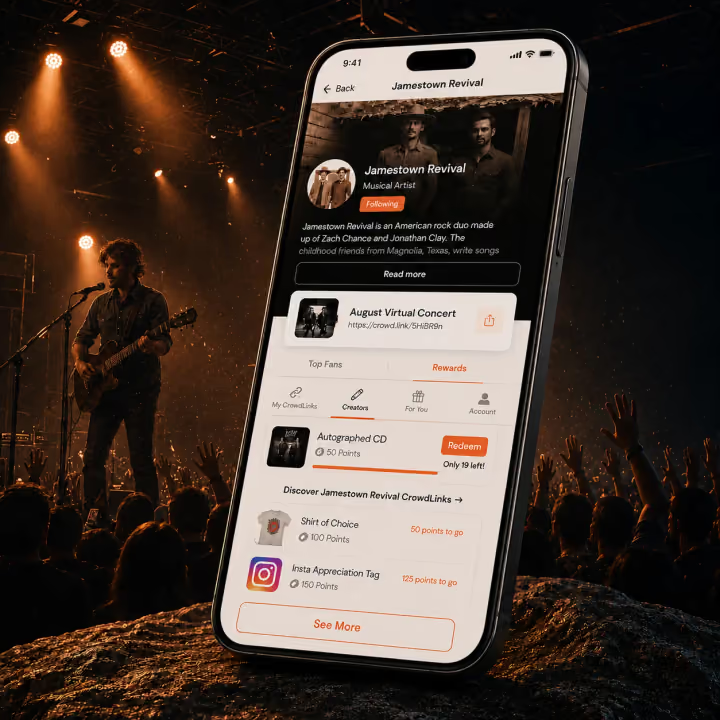
Case 01 / 03
Cinepolis
+25%Increase in online ticket sales
A broken purchase flow was pushing customers to competitors. We rebuilt it end-to-end around how people actually buy tickets.
See case studyCinepolis · Ticket flow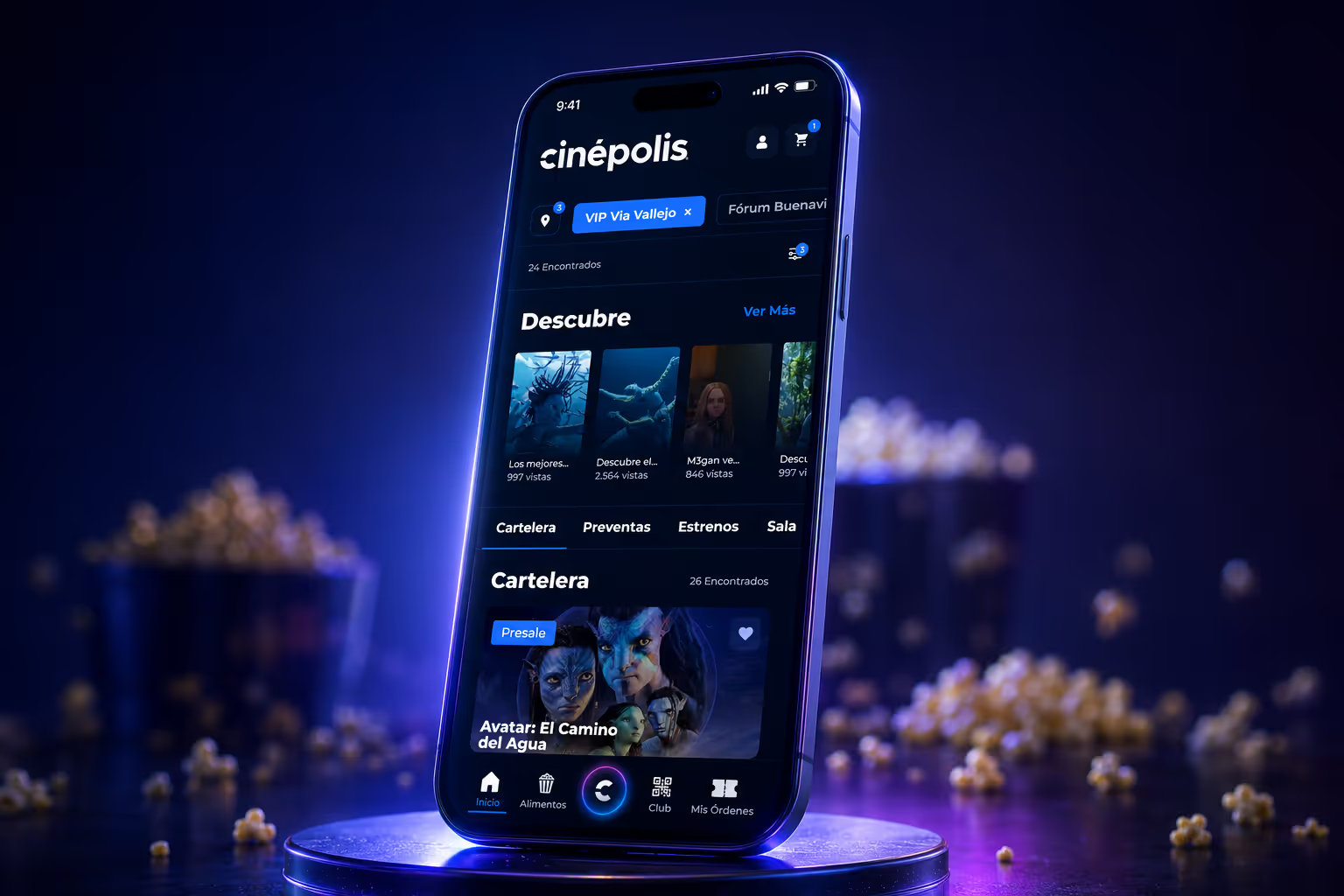
Wandr helps startups, enterprise teams, and mission-driven organisations design products that are intuitive, scalable, and built for real-world use.
Teams building products across SaaS, Enterprise, Nonprofit, Public-Sector,
and Emerging Technology.










Behind every product challenge is a need for clarity, momentum, and trust. These numbers show the experience we bring to helping teams move from complex ideas to scalable digital products.
A broken purchase flow was pushing customers to competitors. We rebuilt it end-to-end around how people actually buy tickets.
See case studyClickable prototype, pitch deck, and a full investment narrative — delivered in four weeks.
See case study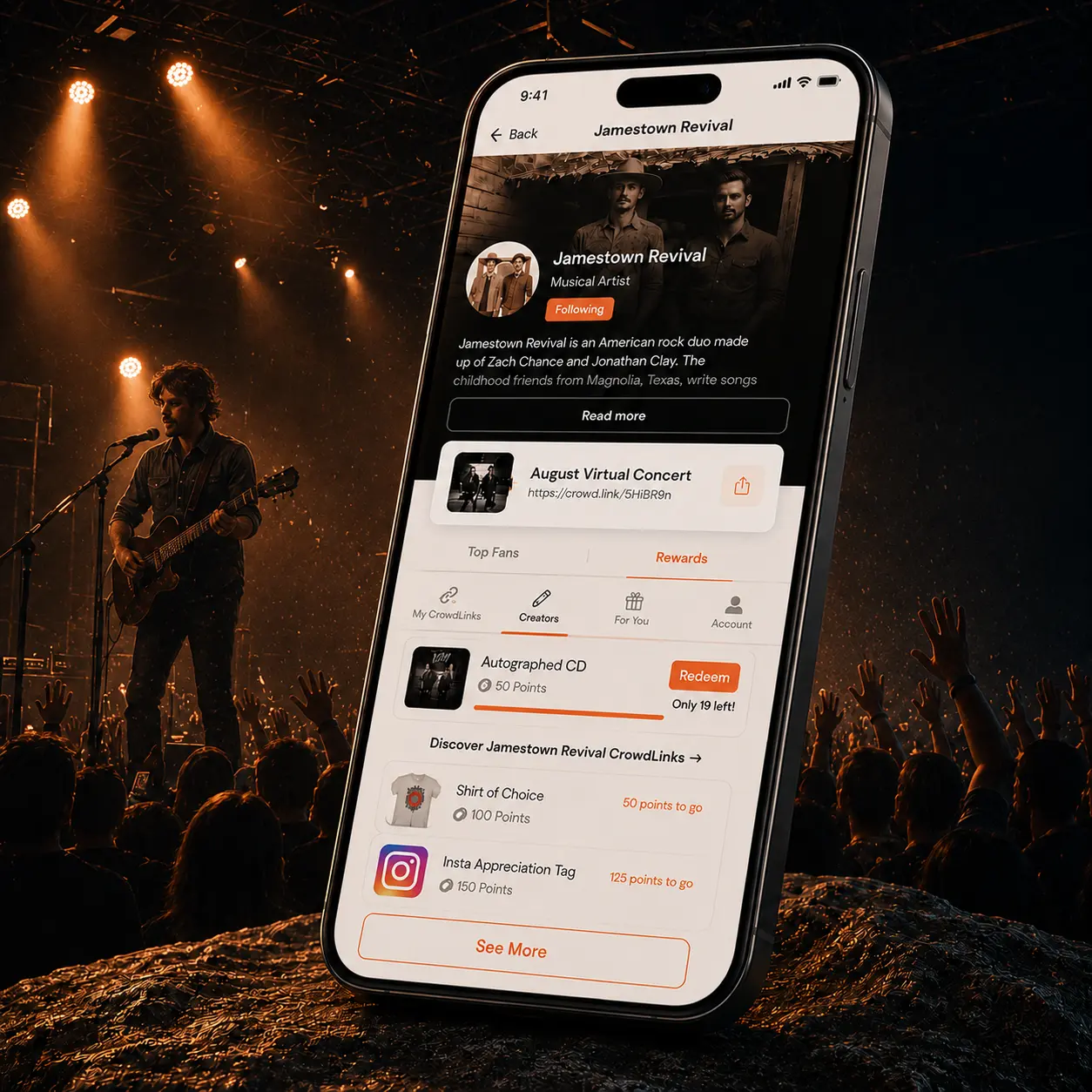
We redesigned onboarding and clarified the key workflows causing drop-offs before users hit meaningful progress.
See case study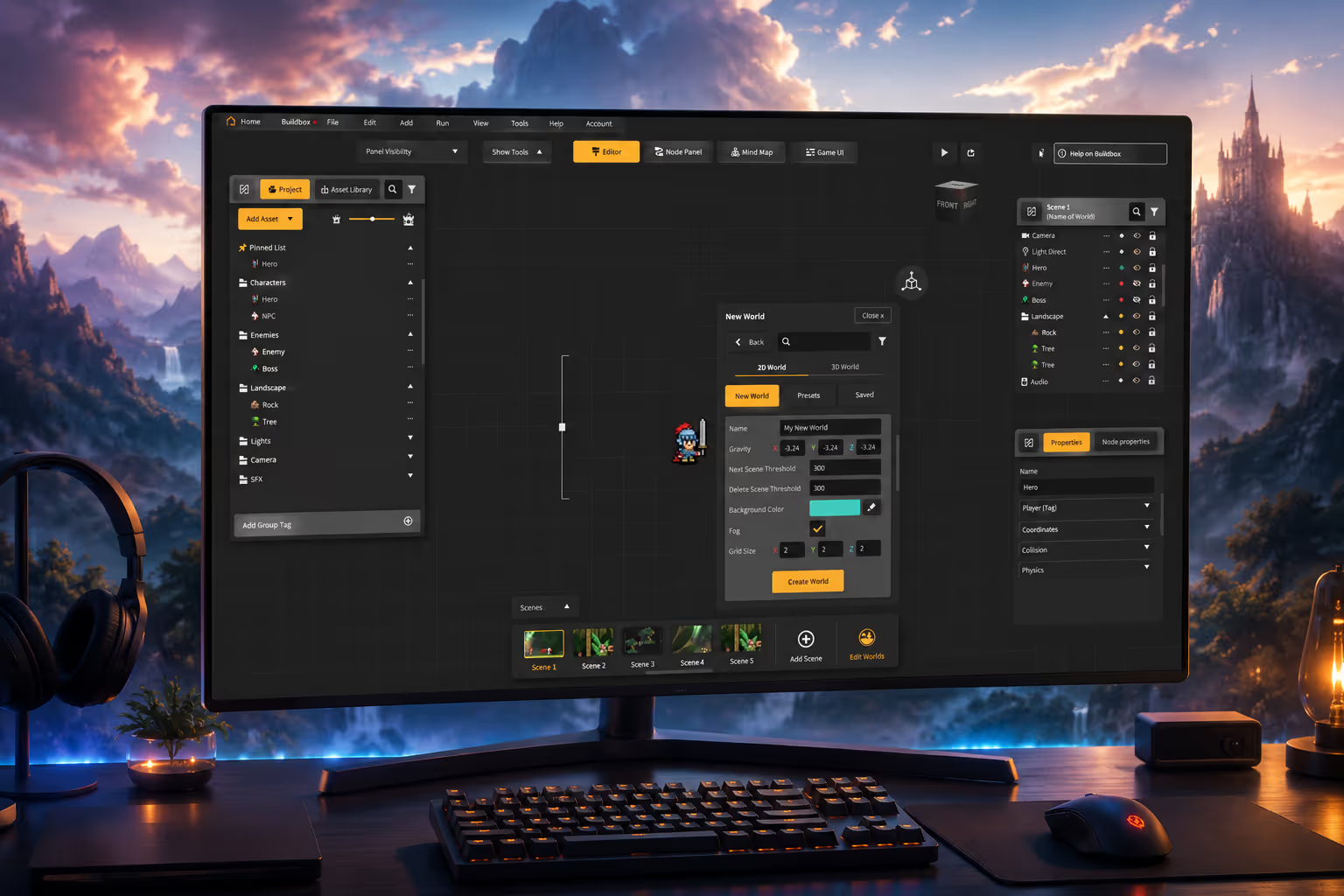
Verified on Clutch
Wandr delivered a fully designed click-through version of our web application within the first two months. We used it to simulate a software demo and locked down three beta customers.

Since working with Wandr, we’ve experienced cost and time savings of around 50% — Wandr works so quickly that the team sometimes outpaces our teams.

We were impressed with their ability to problem-solve and conform to extremely tight timelines. The Wandr team successfully deployed product and provided support through the run of show during SXSW.

Whether you are launching a new platform, improving an existing product, or scaling a design system — Wandr brings the strategy, research, and design expertise to move from uncertainty to execution.
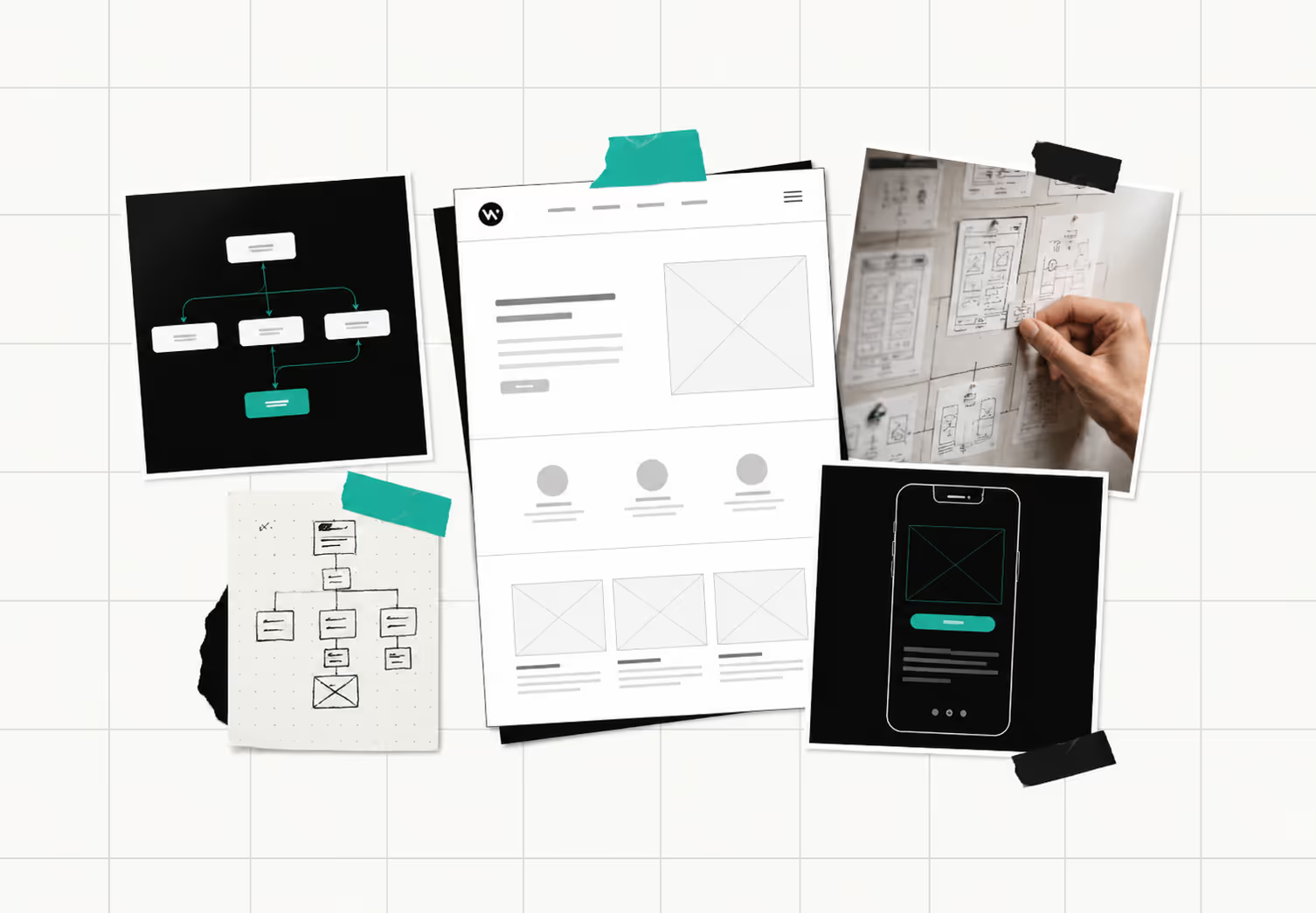


Every engagement is shaped around your product, team and goals — but our approach stays consistent: clarity, alignment, design with purpose, and measuring what matters.
5 phases →We start by learning your product, users, goals, constraints, and where the biggest opportunities exist.
We shape a focused roadmap around the outcomes that matter most — research, redesign, MVP, design systems, or embedded support.
Our team works closely with your stakeholders, product managers, and engineers to create clear, usable, scalable solutions.
We validate decisions, improve the experience, and support handoff so the work moves confidently into implementation.
We help teams evaluate what changed, what worked, and where the product should go next.
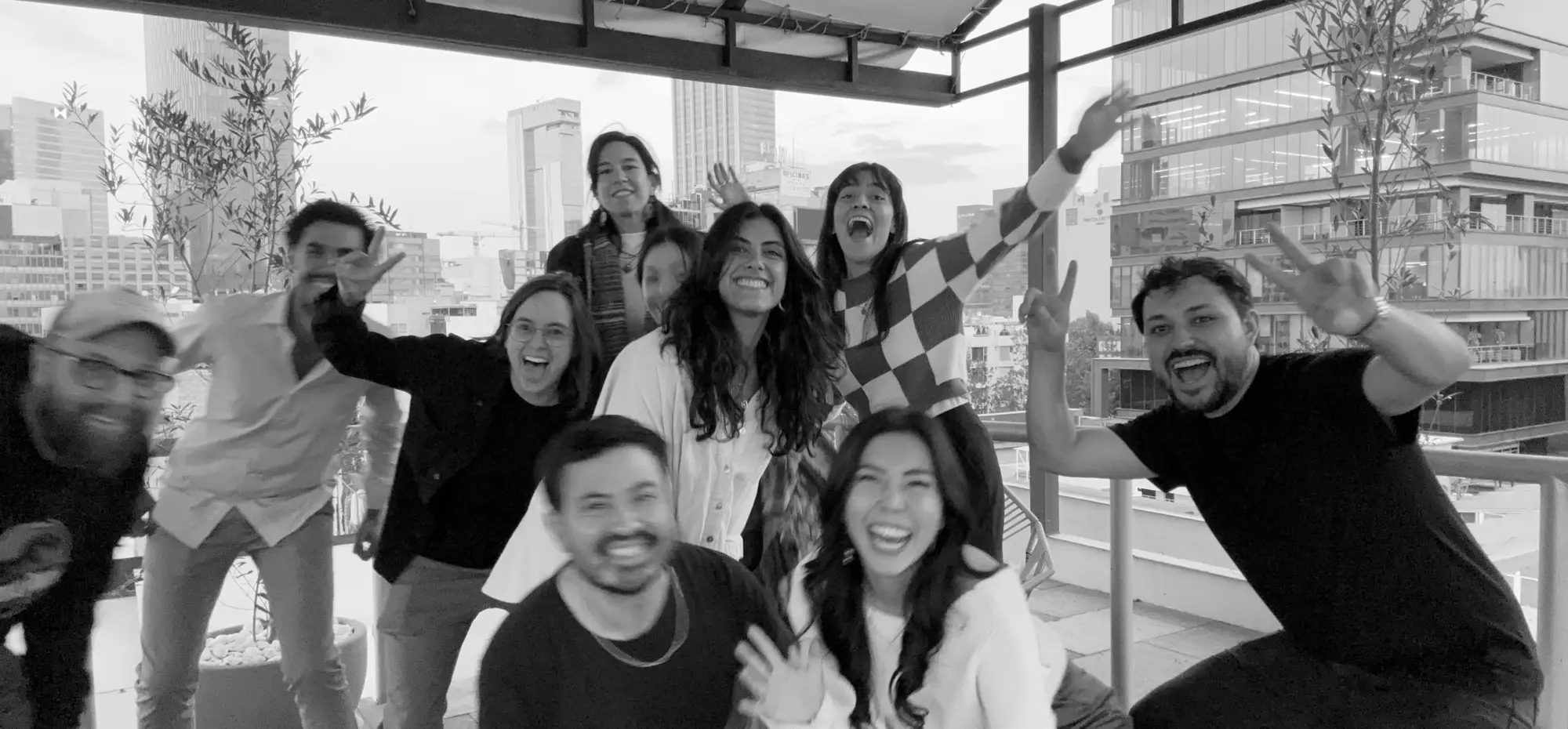

Ranked #1 UX agency in LA on Clutch and named to the Inc. 5000 three years running.


Click any question to expand. If yours isn’t here, write to us.