

Stop guessing what your users need. Start watching  what they actually do

WANDR embeds user research and usability testing directly into your product process, giving product teams the clarity, evidence, and confidence to build the right things before committing to development.

"WANDR is customer-focused. When we make changes, they give us good advice on how to make those changes efficiently."
Thomas Fiss, Executive at Tracer Labs
"They hit every milestone and delivered on time. The team is very skilled and they provide best-in-class service."
Aston Teague, Co-Founder, Crowdlink
"Working with WANDR changed how we think about product design entirely. They pushed our thinking further than we expected."
Abraham Gomez, Co-Founder, DonateHello

User Research & Usability Testing Services Built on a Decade of Real User Behavior

We've run user research and usability testing across 500+ products over a decade. At some point, you stop being surprised by what users do and start recognizing the same mismatches between what teams assume and what users actually need. That pattern recognition makes our research faster and our findings more actionable. We don't deliver observations. We deliver decisions. Every research engagement ends with a clear set of priorities, tradeoffs, and next steps because insights that can't be acted on aren't insights. They're just expensive documentation. We've logged 25,000+ hours of user research and usability testing across a decade of product engagements. That's not a vanity number. It's the accumulated pattern recognition that tells us where users struggle before we even run the first session on your product.

Dotted world map showing Wandr locations
Proven impact

UI/UX work that
moves the needle.

Our user research and usability testing moves the needle on every metric that matters.

Privacy Technology · SaaS

Tracer Labs (Trust ID)

95%Satisfaction score on the redesigned prototype with legacy users.

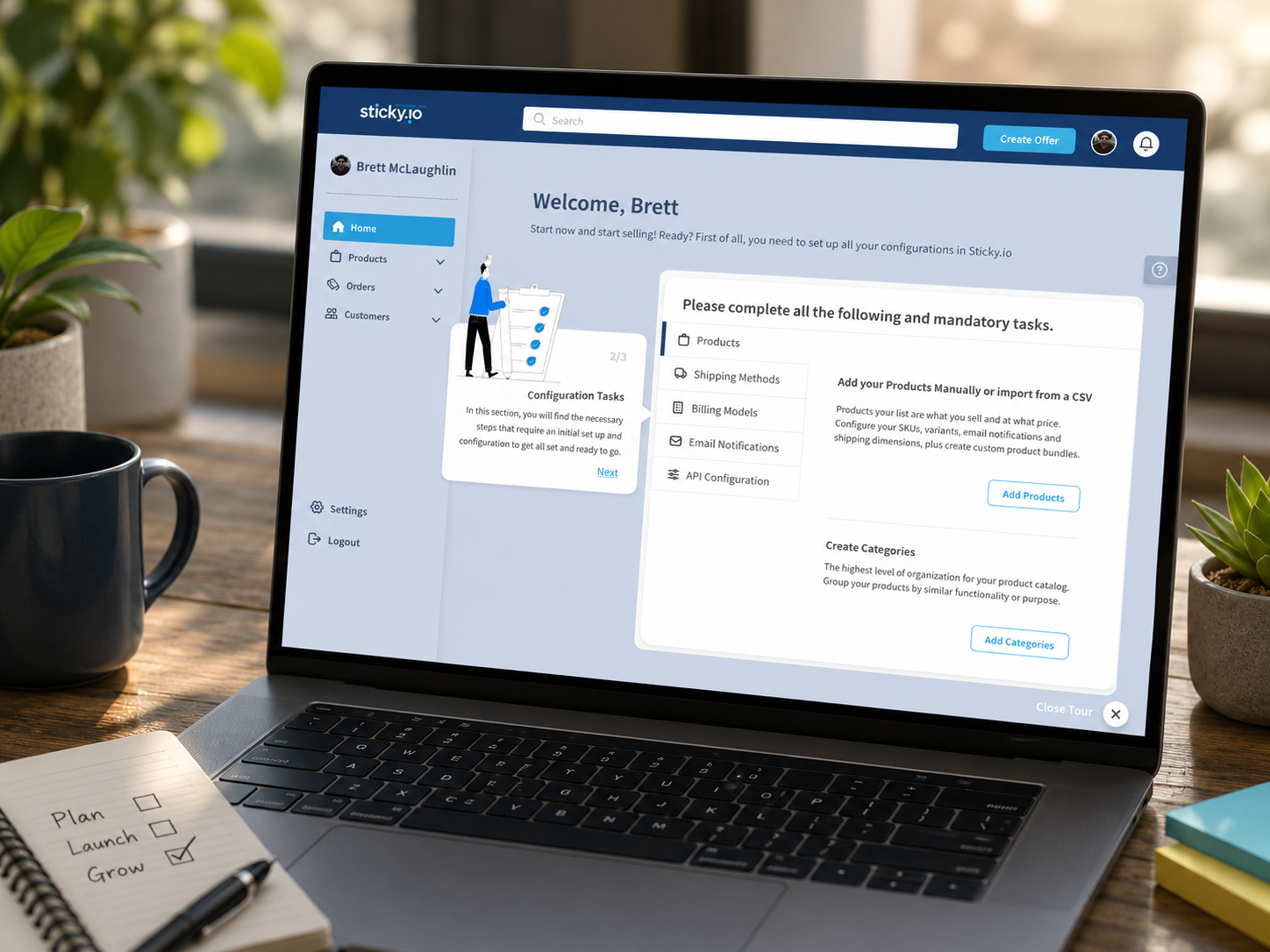
A complex platform serving two very different buyer types — with no UX/UI on staff. Zero personas. Zero validated flows. In 3 months we established design operations, built a design system from scratch, and redesigned the merchant and admin interfaces.

"While their skills were valuable, it was ultimately their client management and interaction that impressed us."Brett McLaughlin · CTO, Sticky.io
Sticky.io · Subscription commerceSticky.io redesign preview
Cybersecurity · SaaS

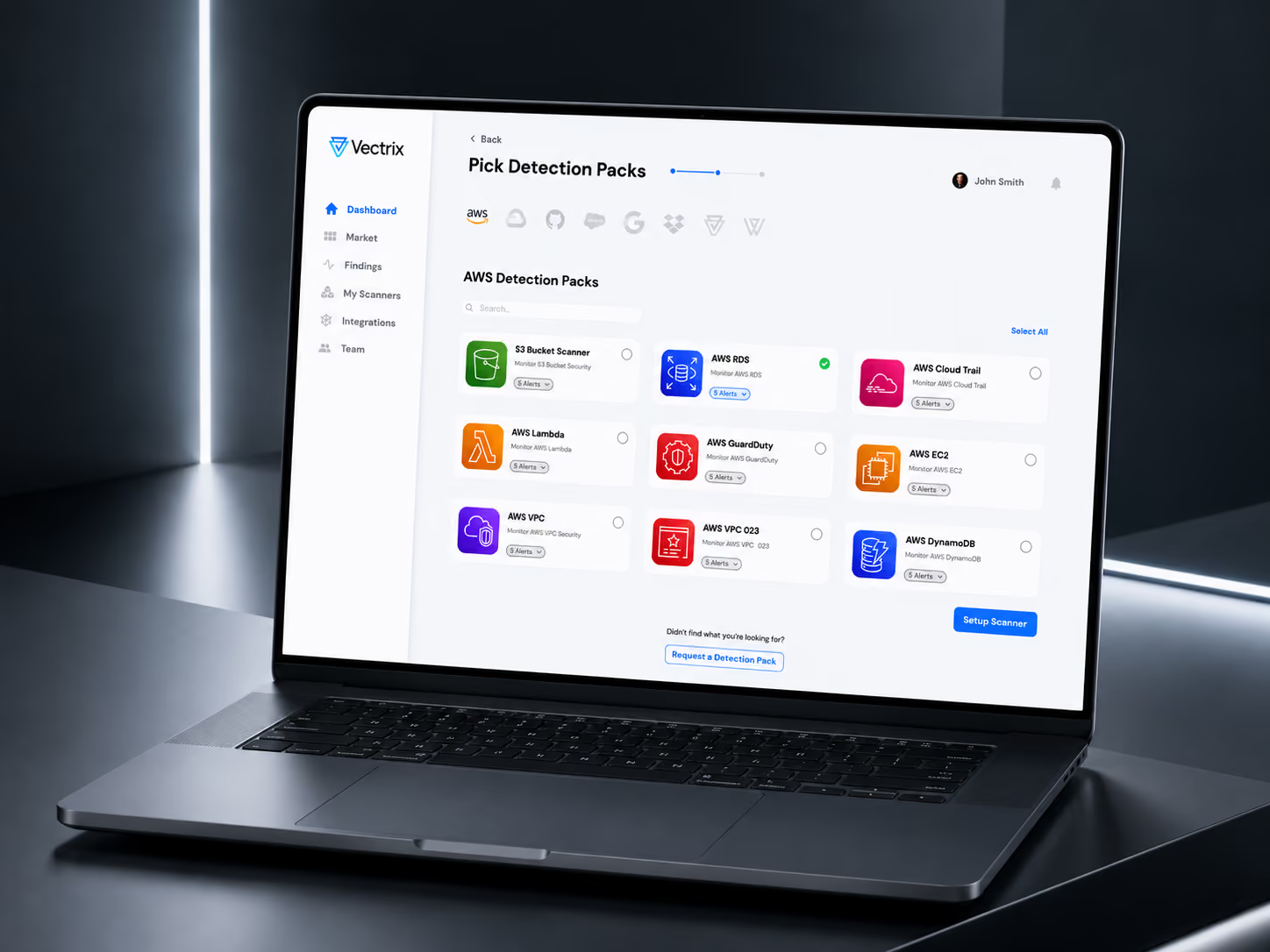
Vectrix

Acquiredby Cloudflare. Designed the product they acquired from Vectrix.

WANDR partnered with Vectrix from early-stage to help design a product compelling enough to attract one of the world's leading technology companies. Product strategy, end-to-end UX, and a design system built to ship quickly without sacrificing rigor.

"Wandr understood the strategic value of design from the start — they helped us build a product story that resonated with both users and acquirers."Corey Mahoney · Founder, Vectrix
See full case study
Vectrix · Acquired by CloudflareVectrix product design
Case 01 / 02
Drag / scroll
By the numbers

Senior UX  work that compounds.

200+
user research  
engagements completed
3000+
usability testing
sessions run
$3.2M
seed funding raised using WANDR research assets (Crowdlink)
41%
avg reduction in post-launch usability issues
5-8
users needed to uncover majority of usability issues per round
300+
products designed and delivered across a decade
See case study
Trusted by
WWFMFAMFAMFAMFAMFAMFAMFAMFAMFAMFAMFAMFAMFAMFAWWFMFAMFAMFAMFAMFAMFAMFAMFAMFAMFAMFAMFAMFAMFA
The reality

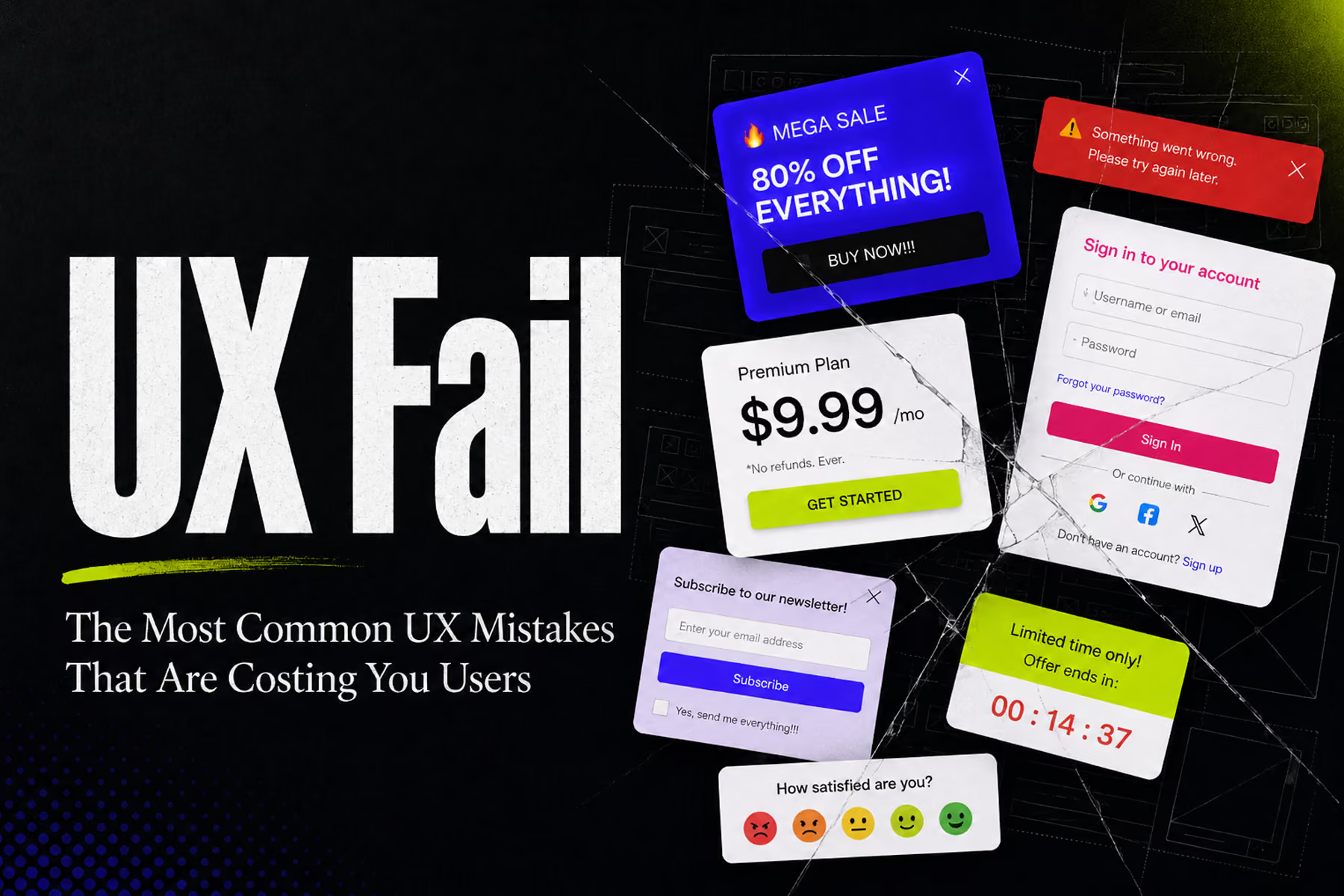
Most digital products fail
not because of bad tech
but because of bad UX.

01 / 04
85%

of usability problems can be identified with just 5 users in a structured usability test.

Nielsen Norman Group
02 / 04
$1

spent on UX research returns up to $100 in avoided development costs — a 9,900% ROI.

Forrester Total Economic Impact
03 / 04
50%

of engineering time is wasted on rework caused by issues that user research would have caught before development.

IBM Systems Sciences Institute
04 / 04
1 in 3

products fails not because of bad engineering — but because teams built something users didn't understand or couldn't use.

Forrester Research
How We Replace Assumptions With Evidence Your Team Can Act On

We observe. We synthesize. We tell you what it means.

Every research engagement starts with the decisions your team actually needs to make — not exploratory noise. Then we build a research plan around those decisions and go find the answers.

01

Research Framing & Alignment.

We align on business goals, research questions, hypotheses, and success criteria. This ensures research is focused on decisions that matter… not questions teams already know the answer to

02

Secondary Research & Data Review.

We gather and synthesize user research, competitive insights, and existing behavioral data alongside your team. We don't design in isolation. We design from evidence.

03

User Recruitment & Test Design.

We recruit target users based on defined personas and use cases. We handle screening, scheduling, and incentives. Then we design a structured test script focused on validating assumptions and uncovering real friction.

04

Moderated Usability Testing.

We run live, moderated sessions to observe real user behavior. Sessions are documented with notes, recordings, and annotated timestamps, capturing decision points, confusion, and behavioral patterns as they happen.

05

Insights, Analytics & Reporting.

We synthesize qualitative findings with supporting data, identify patterns by impact and frequency, and deliver clear recommendations your team can act on immediately, not a 60-page report nobody reads.

Phase 01 / 05
Process
What you get

Everything needed to plan, run, and apply research with real impact, tied directly to product decisions,
not filed in a folder.

Six services that flex to your stage — from research and strategy through to validation and post-launch iteration. Combine what you need.

01 / 06UX Research

User
Recruitment

screening, scheduling, and participant incentives handled entirely by us

02 / 06User Recruitment

Test Plan
& Script

structured, consistent testing scripts aligned to your specific research questions 

03 / 06Test Plan & Script

Moderated Usability Testing

live sessions with real users, documented with notes and recordings 

04 / 06Insights & Analytics

Insights & Analytics

behavior pattern analysis, severity assessment, and frequency mapping

05 / 06Usability Summary Report

Usability Summary & Report

key findings, user quotes, and recommendations designed to directly inform product decisions

06 / 06Research Readout & Stakeholder Walkthrough

Research Readout & Stakeholder Walkthrough

live session to align your product, design, and engineering teams around the findings

Compare

How WANDR's UI/UX
design agency compares.

Internal User ResearchOne-Off Research Sprint
SpeedSlow — competing prioritiesFast but shallowFastand thorough
ObjectivityLow — too close to the productMediumHigh — external perspective
ActionabilityVariableOften sits unusedTied to product decisions and roadmap
ContinuityInconsistentOne-timeEmbedded throughout sprints
Team alignmentRarely aligns stakeholdersLimitedStructured to create shared understanding
What our clients say

Verified Clutch reviews.

Why Wandr?

Why Our User Research & Usability Testing Services Actually Move the Needle

01 · Seniority

Research embedded in your process, not bolted on.

Usability testing is not a one-time activity. We embed research directly into your design sprints, so findings inform decisions in real time, not after the fact. Every WANDR design engagement includes usability testing as a core deliverable, not an optional add-on.

02 · Evidence

BEHAVIORAL EVIDENCE, NOT OPINIONS.

We observe actual user behavior through interviews, task-based testing, and qualitative synthesis. Preference is unreliable. Behavior isn't.

03 · Guarantee

Outcomes, not reports.

Every research engagement ends with a clear set of priorities, tradeoffs, and next steps your team can act on in the next sprint. If the findings don't connect to a decision, we keep digging until they do.

The difference

Same product vision. A research foundation that actually de-risks it.

Buildbox came to us with a no-code game development platform used by millions — but with friction that was costing them activation. Here's what changed.

Before redesign
After redesign
BeforeAfter
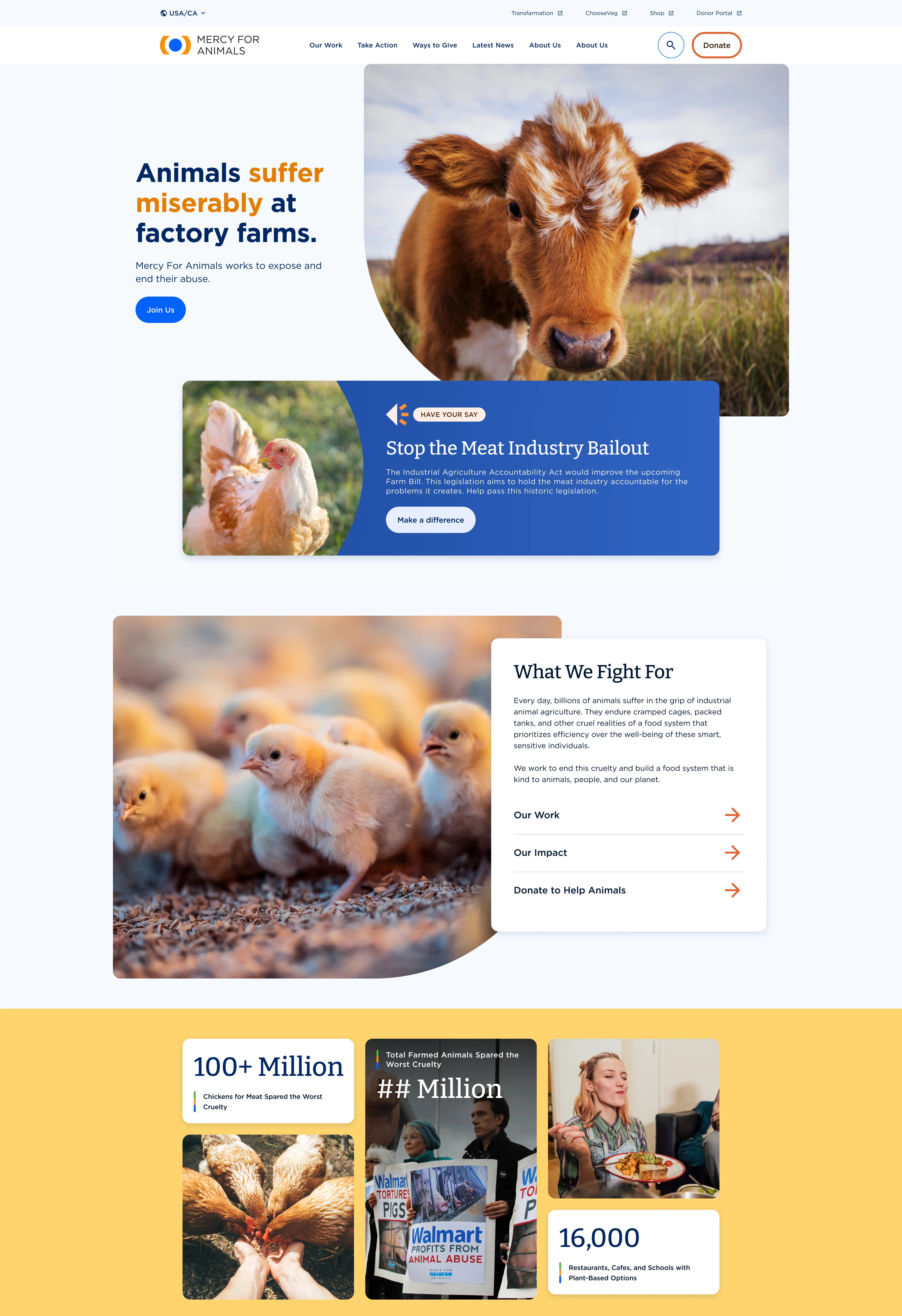
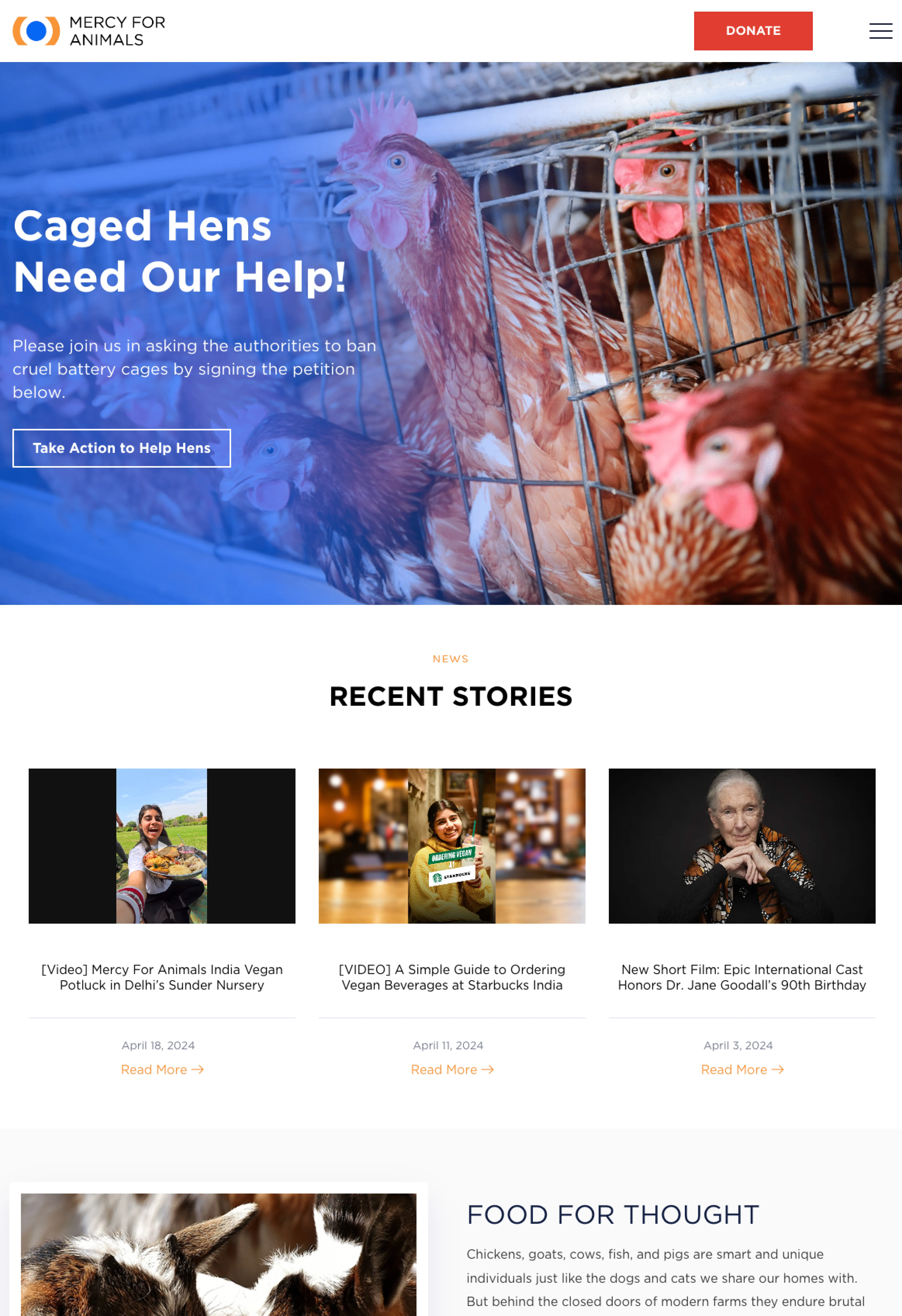
Before WANDR — DonateHello
  • Donation experience failing to engage donors and users frustrated with lack of transparency
  • Poor cause discovery — users couldn't find organizations aligned with their values
  • Transactional giving flow with no emotional connection or feedback loop after donating
  • No research foundation — product decisions made on assumptions, not observed behavior
After WANDR — DonateHello
  • Discovery-first model redesigned around how donors actually evaluate causes before giving
  • Trust signals and social proof embedded throughout (verified profiles, real-time donation tracking, impact visibility)
  • Frictionless e-commerce-inspired giving flow and simplified from selection to checkout
  • Investor-ready product that "resonated immediately". DonateHello transformed from an idea into a compelling, trust-first platform
DonateHello·Nonprofit Donation Platform·Mobile App
Who this is for

You understand that every feature built on an assumption that turns out to be wrong is a sprint wasted, a budget burned, and a user lost. You're ready to stop guessing and start working

We work with CTOs, Head of Product, and founderswho are at a decision point, before a major build, before a launch, after adoption metrics signal something is wrong, or when stakeholders can't agree on what users actually need. You don't need someone to validate what you already believe. You need someone to go find out what's true.

Free tool

Not sure where your biggest user friction is? Start with our $499 Mini UX Audit.

Send us your product. We'll identify the top 3 UX friction points costing you activation and retention. Free, no pitch, no obligation.

Purchase Your Audit →
Sample report
your-product.com/signup

★★★★★ 5/5 — trusted by 500+ companies

1UX Heuristic Audit
2One User Flow Redesign
3Product Strategy Snapshot
User Research & Usability Testing Services — Frequently Asked Questions

Frequently asked.

Click any question to expand. If yours isn't here, write to us.

  1. We typically test with 5–8 users per round — enough to uncover the majority of usability issues according to Nielsen Norman Group research. Larger studies can be scoped when quantitative validation or audience segmentation requires broader sample sizes.
  2. Yes. We recruit from your existing user base or source external participants matching your target personas. We handle all screening, scheduling, and participant incentives. You focus on the findings, not the logistics.
  3. User research and usability testing help teams make concrete decisions: validating whether a problem is real, identifying where users get stuck, deciding which flows or features need refinement, and confirming whether a design is ready to move into development. Every engagement is tied directly to product priorities, roadmap sequencing, and risk reduction before investment, not abstract insights.
  4. Research is most valuable when continuous, not one-off. Run it at key decision points: before building something new, before launching, and when performance or adoption signals are unclear. For most product teams, lightweight usability testing every few weeks and deeper research at major milestones creates the right balance between speed and learning. The goal is to validate decisions as they're being made, not after problems have already shipped.
  5. Qualitative research is enough when you're trying to understand why something is happening (why users are confused, why they hesitate, or why they drop off). Quantitative data becomes more important when you need to measure how often something happens, compare performance at scale, or track impact over time. In practice, qualitative research identifies the problem. Quantitative data confirms its magnitude.
  6. Real usability issues show up as patterns in behavior, not isolated opinions. When multiple users struggle with the same task, hesitate at the same moment, or misinterpret the same element, that's a usability problem. Preference-based feedback is subjective and inconsistent. By focusing on observed behavior, task success, and friction points rather than stated likes or dislikes, usability testing helps teams distinguish between personal preference and issues that genuinely block adoption.
  7. A UX audit is an expert evaluation of your existing product, identifying friction using heuristics, behavioral data, and competitive benchmarking. User research goes further: it involves real users completing real tasks, revealing how actual people interact with your product in practice. The two are complementary. Audits tell you where to look, research tells you why it matters.
  8. We embed research directly into your sprints, not as a separate workstream that runs in parallel and produces findings after decisions have already been made. At WANDR, our research team operates inside your workflows from framing through synthesis, collaborating with product, design, and engineering in real time so findings inform decisions when they're still actionable.
Let's find out what your users are actually experiencing.

Show us.
We'll show you what to fix.

Start with our $499 Mini UX Audit — a UX heuristic audit, one user flow redesign, product strategy snapshot, roadmap, UX scorecard, and a 1-hour consulting call. Delivered in 1–2 weeks. If a deeper research engagement makes sense after that, we'll show you exactly what that looks like.

Our blog

User Research Related Articles