



Why UX Research Is the Secret Weapon for High-Performing Products
In the race to launch faster and grow bigger, many product teams overlook one critical factor: UX research. At WANDR, we've seen first-hand that the most successful digital products don't just look good — they deeply understand and meet user needs. UX research is the secret weapon that unleashes that understanding and, ultimately, success.
UX Research Unleashes True User Needs
Every product begins with assumptions. But without UX research, those assumptions can turn into costly mistakes. Research helps product teams validate ideas before they become features, ensuring they solve real problems.
Methods like user interviews, usability testing, and field studies uncover pain points and motivations that data alone can't reveal. This enables teams to move beyond guesswork and design with purpose.
How UX Research Drives Insights to Product-Market Fit
Finding product-market fit isn't luck — it's a process. UX research plays a pivotal role by aligning product ideas with real-world needs. Through iterative research, teams refine features, messaging, and experiences until they resonate with users.
When a product truly fits its market, users don't just use it — they advocate for it. That's the power of combining strong UX practices with a relentless focus on user feedback.
How UX Research Reduces Risk and Saves Time
Building products is expensive. Without UX research, teams risk wasting resources on features users don't want or understand. By integrating research early, teams can identify issues before they become costly fixes.
Research also helps prioritize features based on user needs, which streamlines development and avoids scope creep. In short, it helps you unleash the right product, not just build fast.
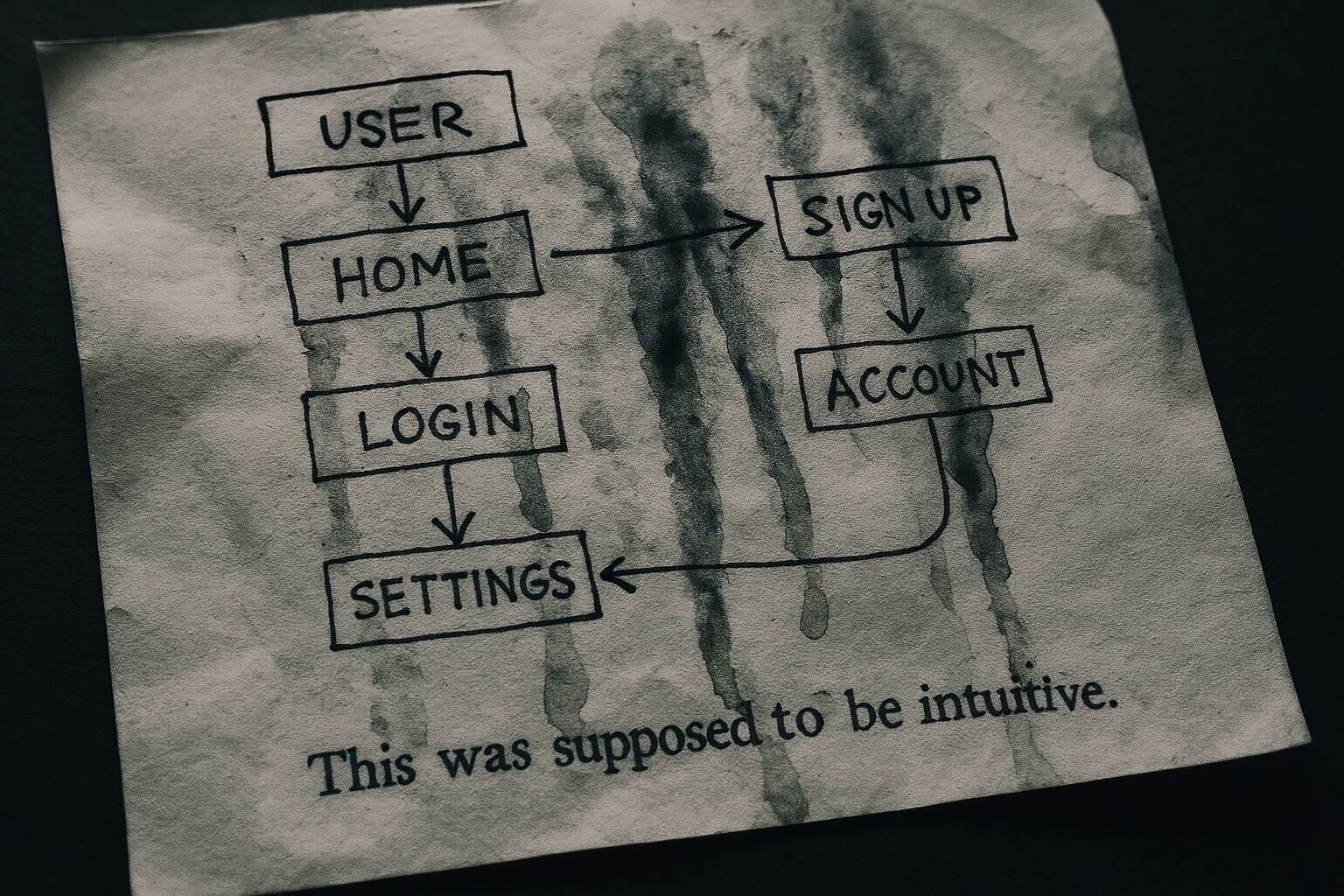
How UX Research Creates Empathy Across Teams
Product success is a team effort, and UX research brings everyone — designers, developers, marketers, and stakeholders — onto the same page. It humanizes data through real stories and experiences, fostering empathy and alignment.
When teams connect emotionally with users, they make better decisions. Whether it's simplifying a flow or rethinking a feature, empathy drives smarter, more user-centric solutions.
You might also like: Decoding UX Research & Design Dynamics
UX Research Is an Ongoing Investment
Many think of UX research as a one-time phase, but that's a mistake. Markets evolve, competitors emerge, and user needs shift. Continuous research ensures products stay relevant and continue to deliver value.
By regularly tapping into user feedback, you protect your product's product-market fit and maintain your competitive edge.
Conclusion
At WANDR, we believe that UX research isn't just a nice-to-have — it's fundamental to building products that perform. By investing in research, you're unleashing your product's potential and ensuring it not only meets expectations but exceeds them.
